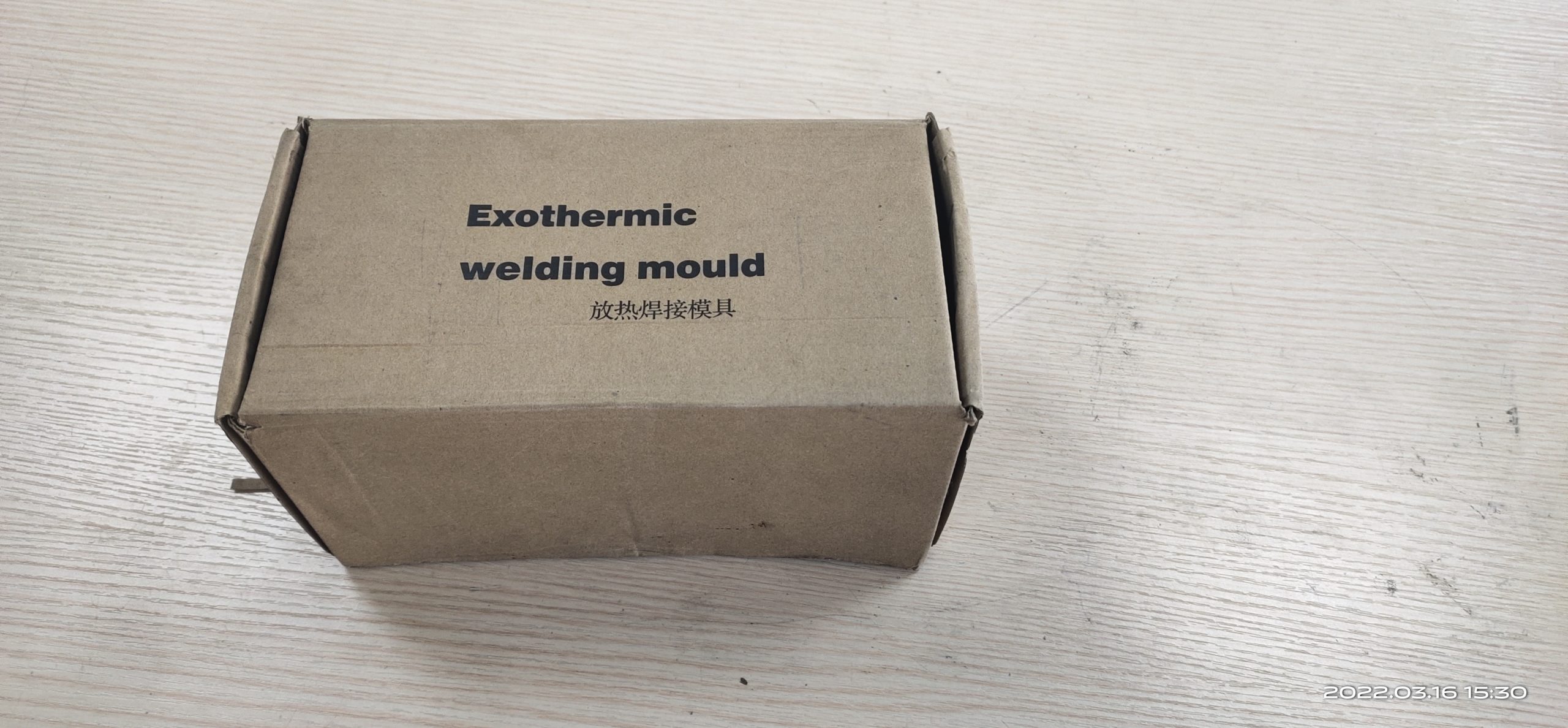
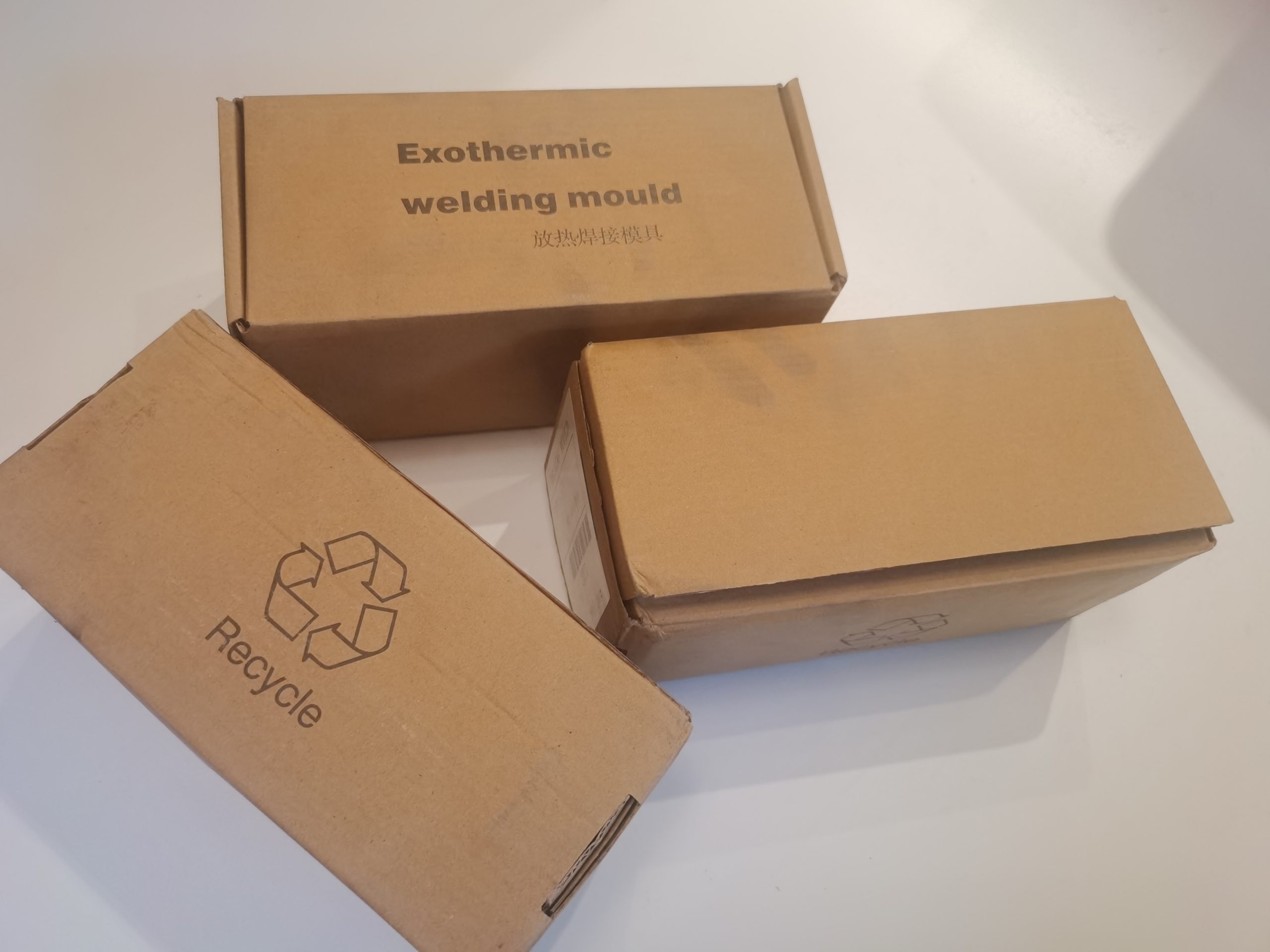
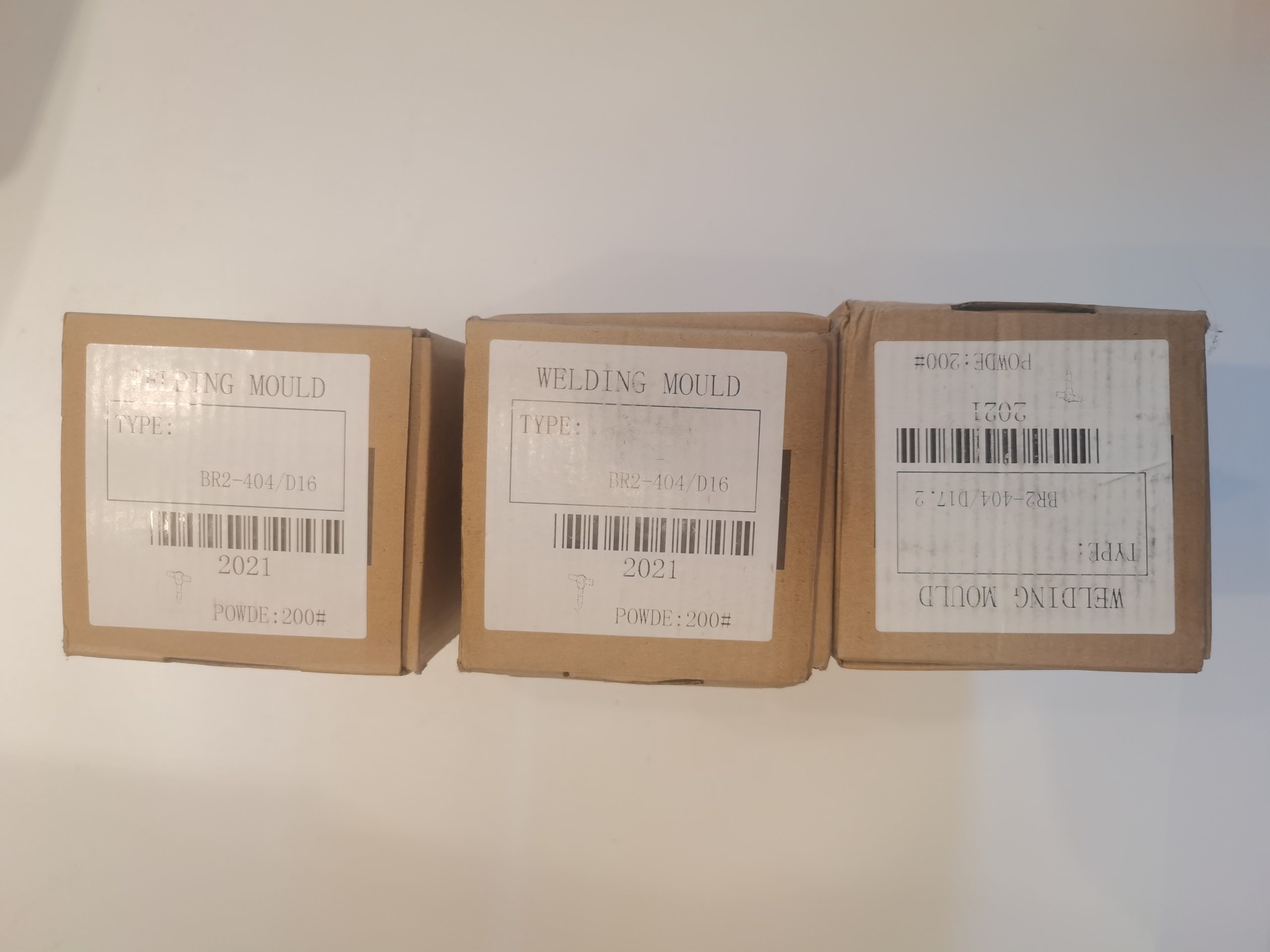
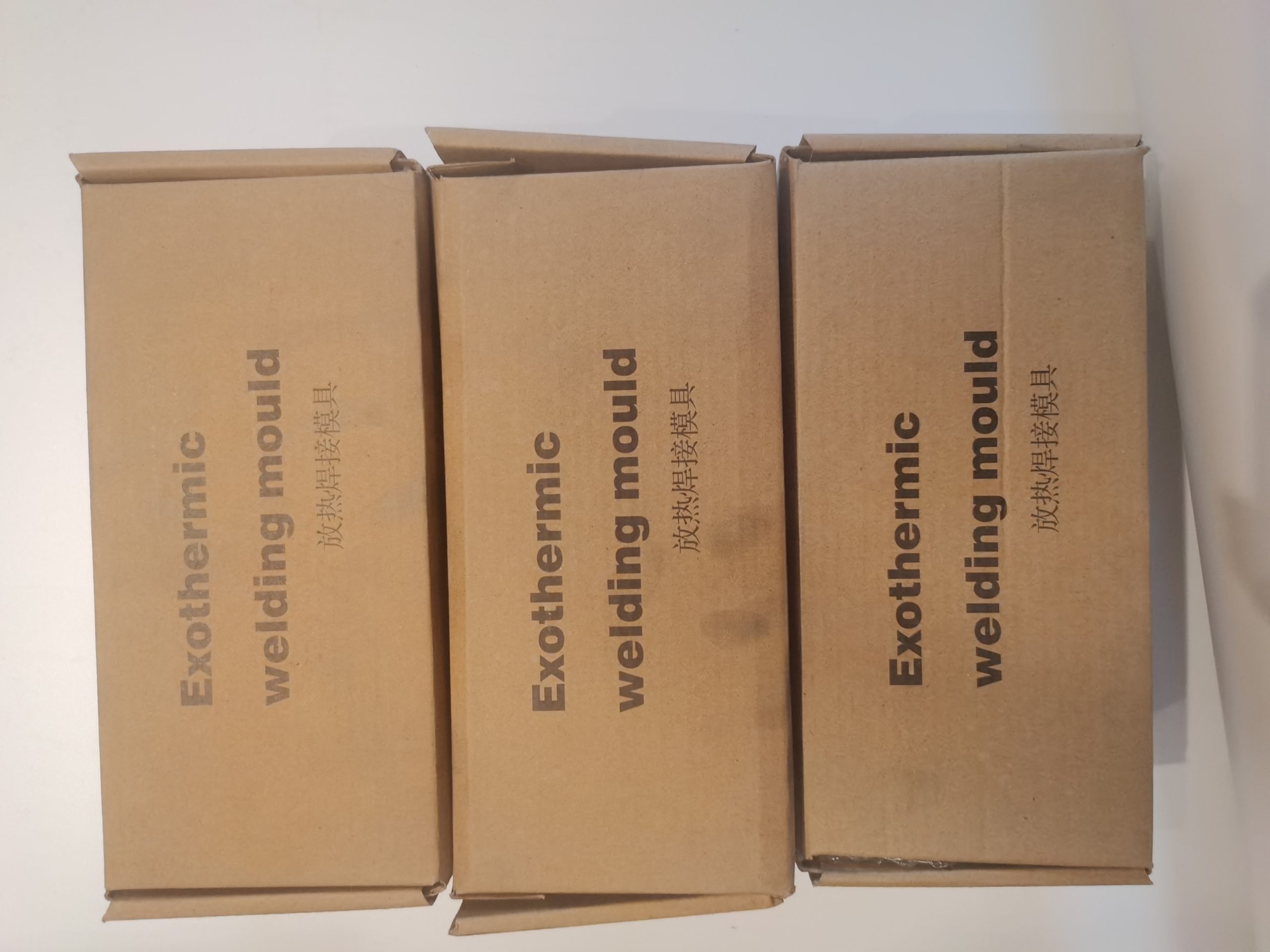
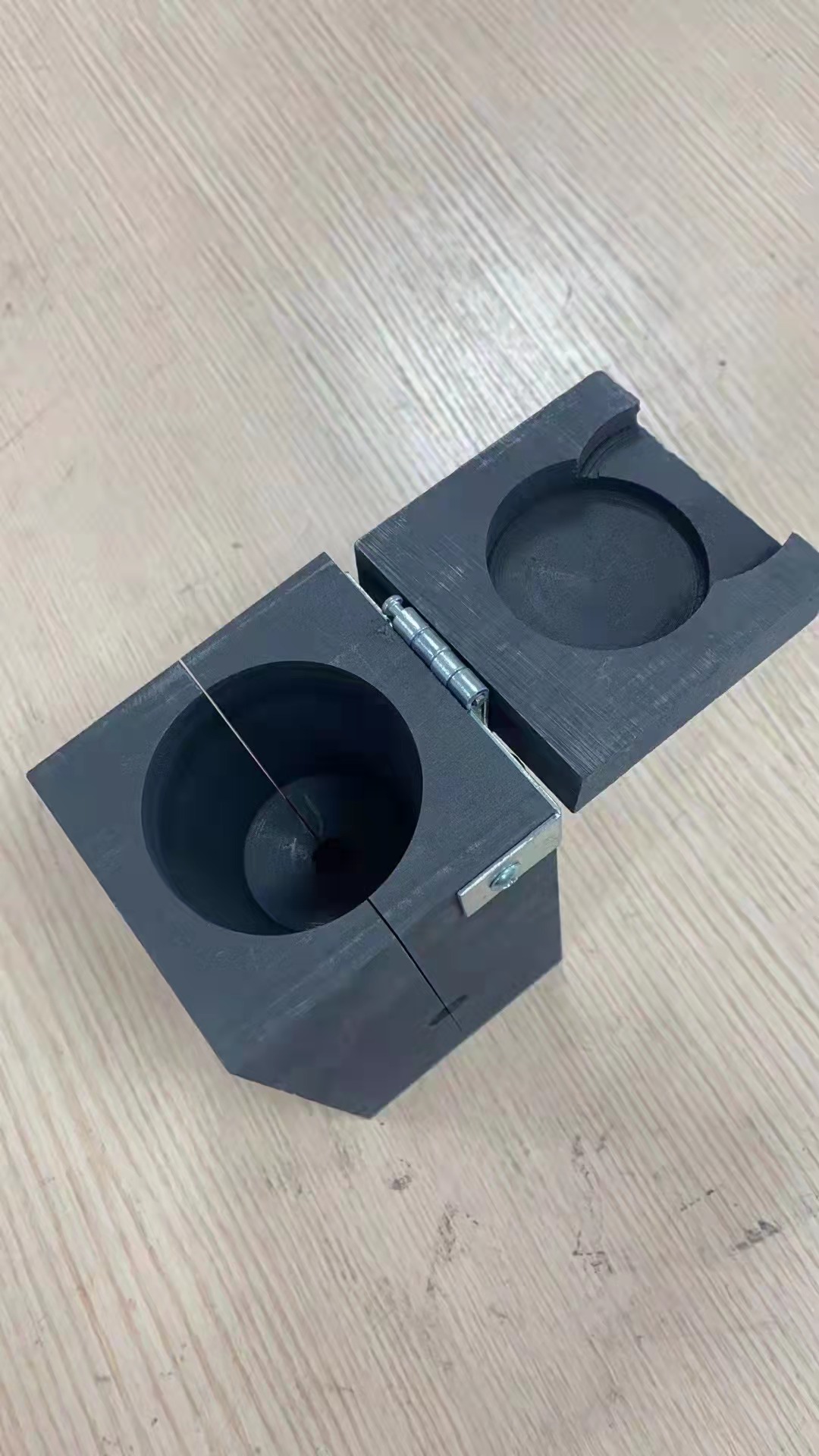
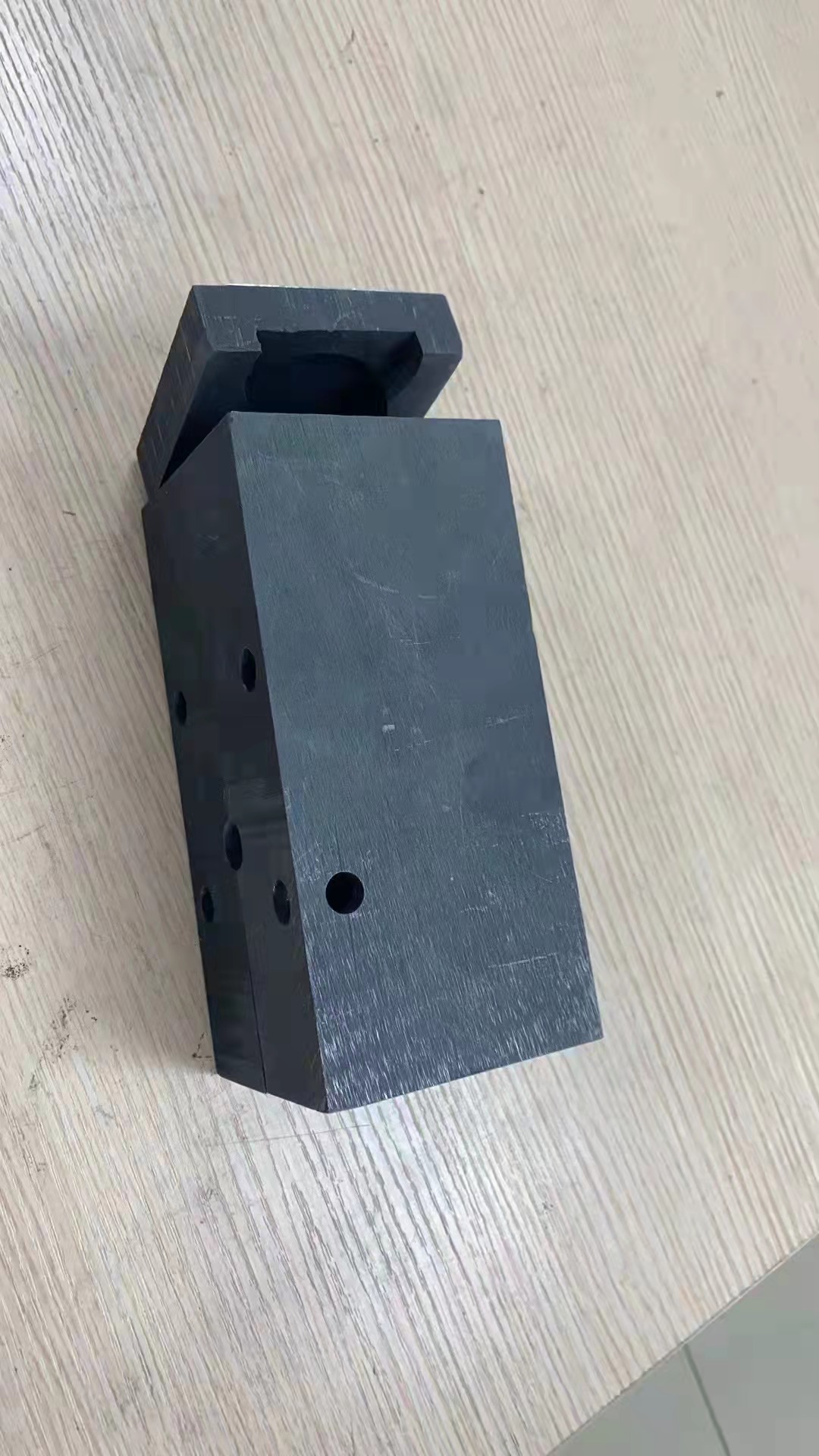
Exothermic welding mold
Introduction to Exothermic Welding
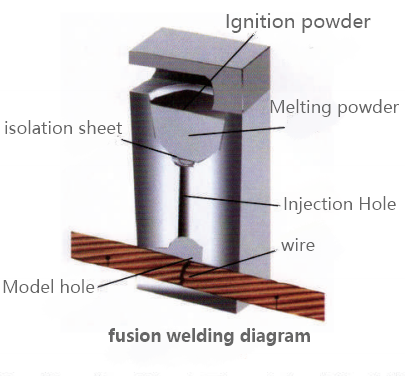
Exothermic welding is a welding process that uses a chemical reaction to generate a high-temperature solution to fuse high-performance electrical materials. Therefore, exothermic welding requires no external heat source. The entire reaction process takes place within a specially designed mold, making it safe and fast.
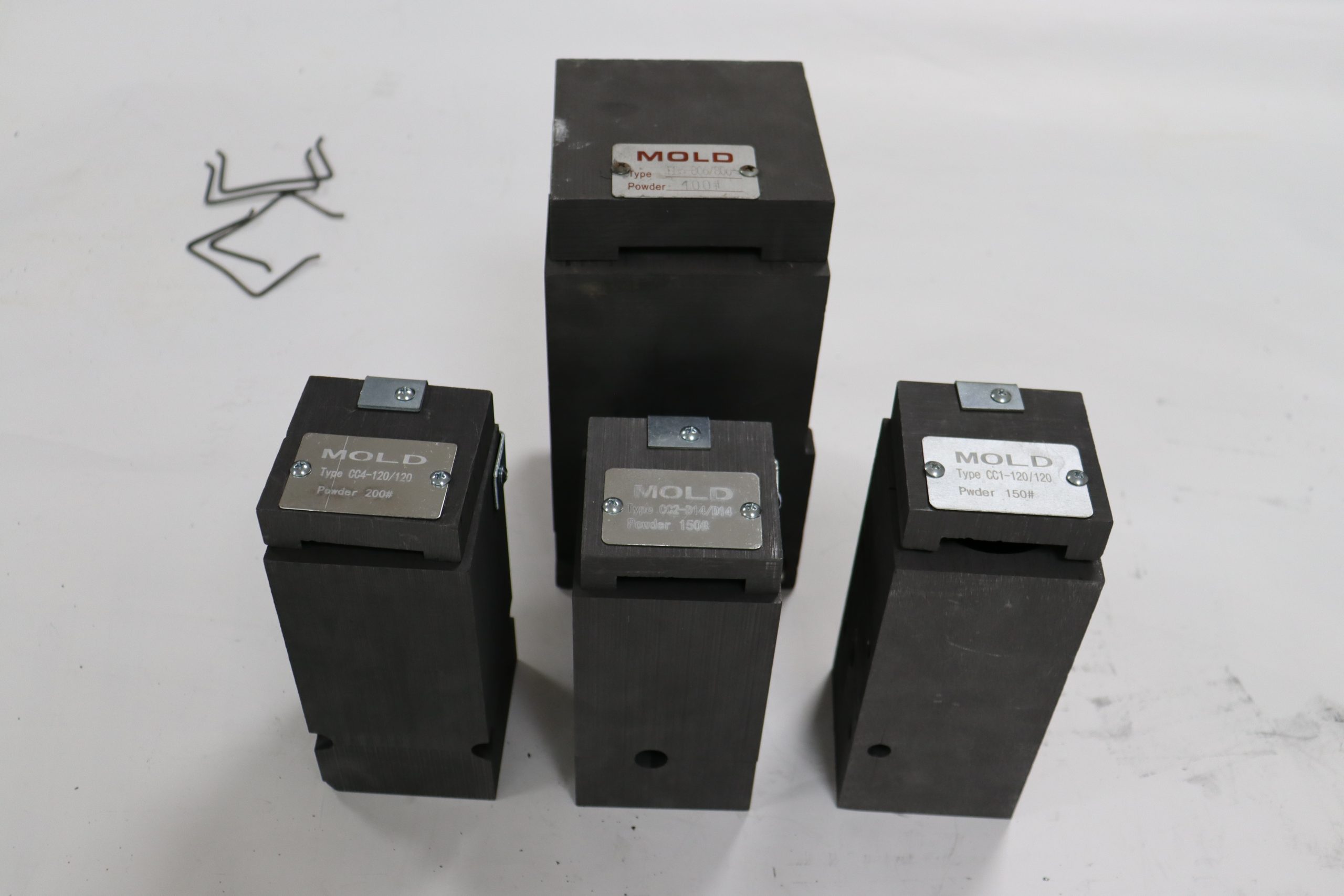
The mold used in exothermic welding is made of high-temperature resistant, semi-permanent graphite, capable of withstanding ultra-high temperatures of metal melting. The mold includes a cavity, injection hole, and molten metal chamber. The shape and size of the cavity, as well as the flow direction of the molten metal, are meticulously designed according to the actual connection requirements. Therefore, connectors produced by exothermic welding have an aesthetically pleasing and uniform appearance.
Exothermic welding is mainly used for welding copper, brass, bronze, pure copper, copper-clad steel, stainless steel, wrought iron, galvanized steel, cast iron, etc.
Advantages of Exothermic Welding Process:
1. The joint is molecularly bonded, preventing loosening, deterioration, and corrosion.
2. The joint material is the same as the conductor, its current carrying capacity is the same, and its temperature rise is lower than the conductor itself.
3. The melting point is the same as the conductor, so it can withstand repeated high current surges (during faults) without melting.
4. The equipment is lightweight and suitable for any on-site welding operation.
5. Welding speed is fast, saving labor.
6. The operation method is simple and does not require specialized welding workers.
7. Because it is cast welding, the joint shape is uniform, and quality management is easy.
8. The total energy generated is much less than other welding methods, therefore causing less damage to the insulation and saving insulation materials.
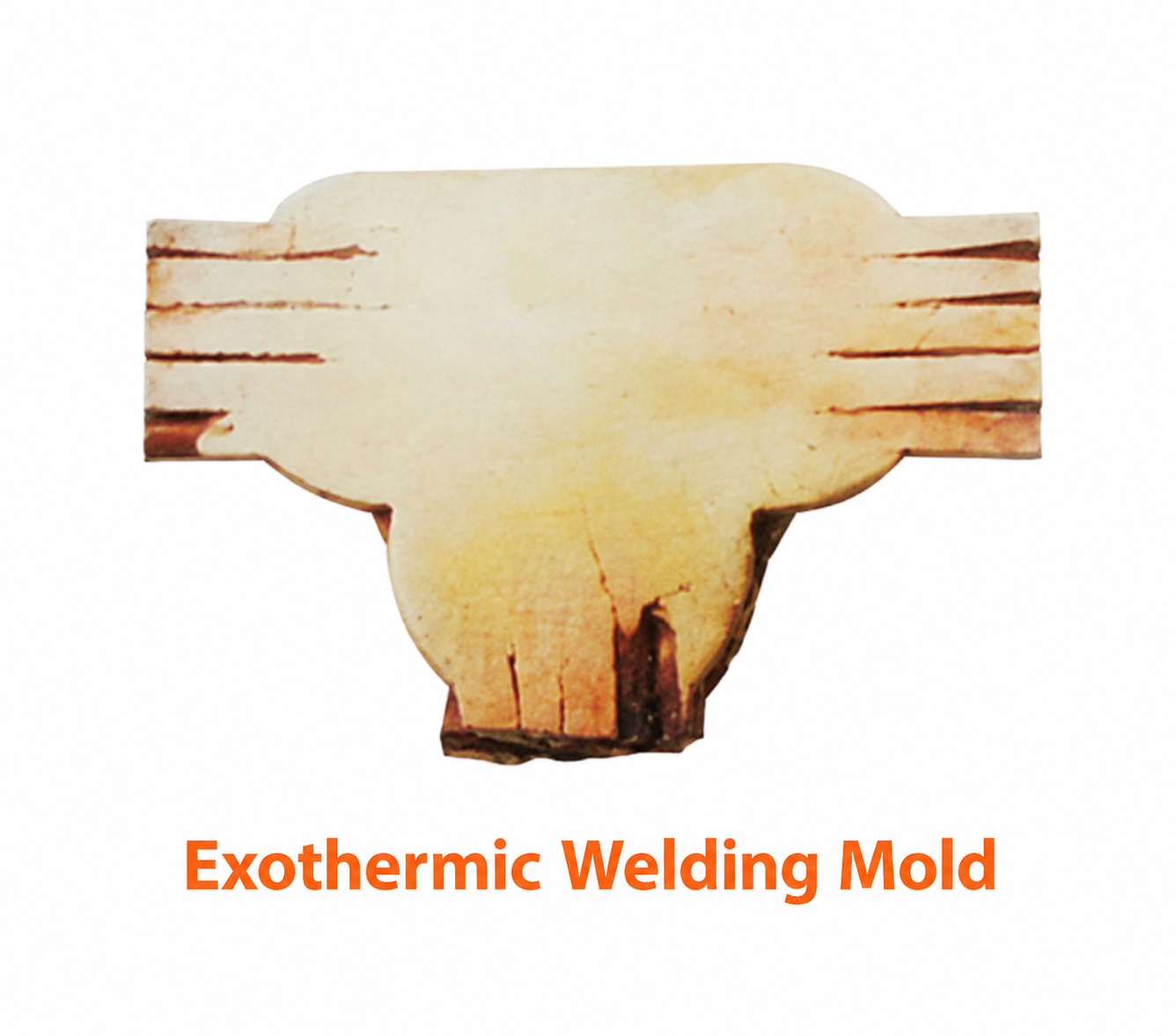
Exothermic welding operation procedure
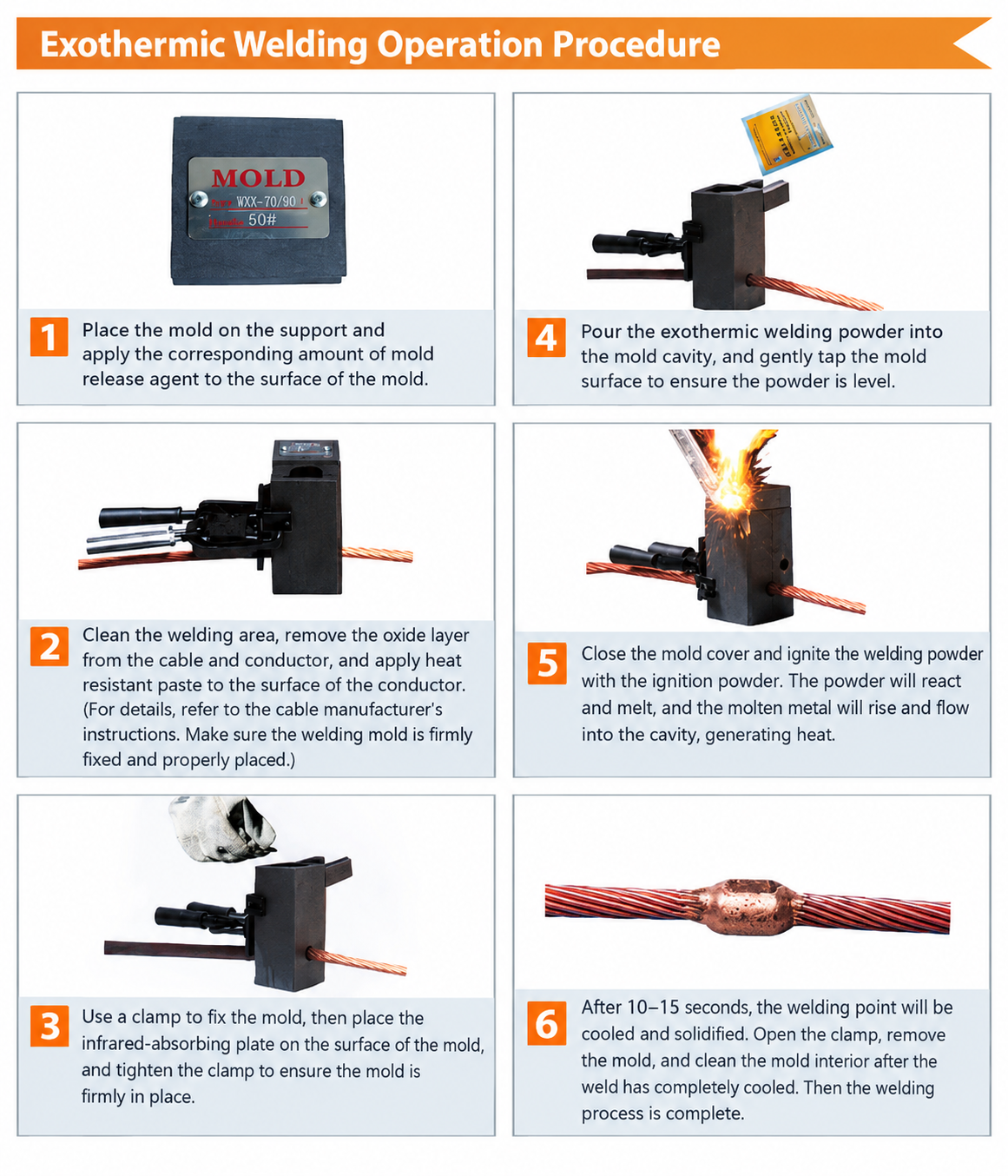
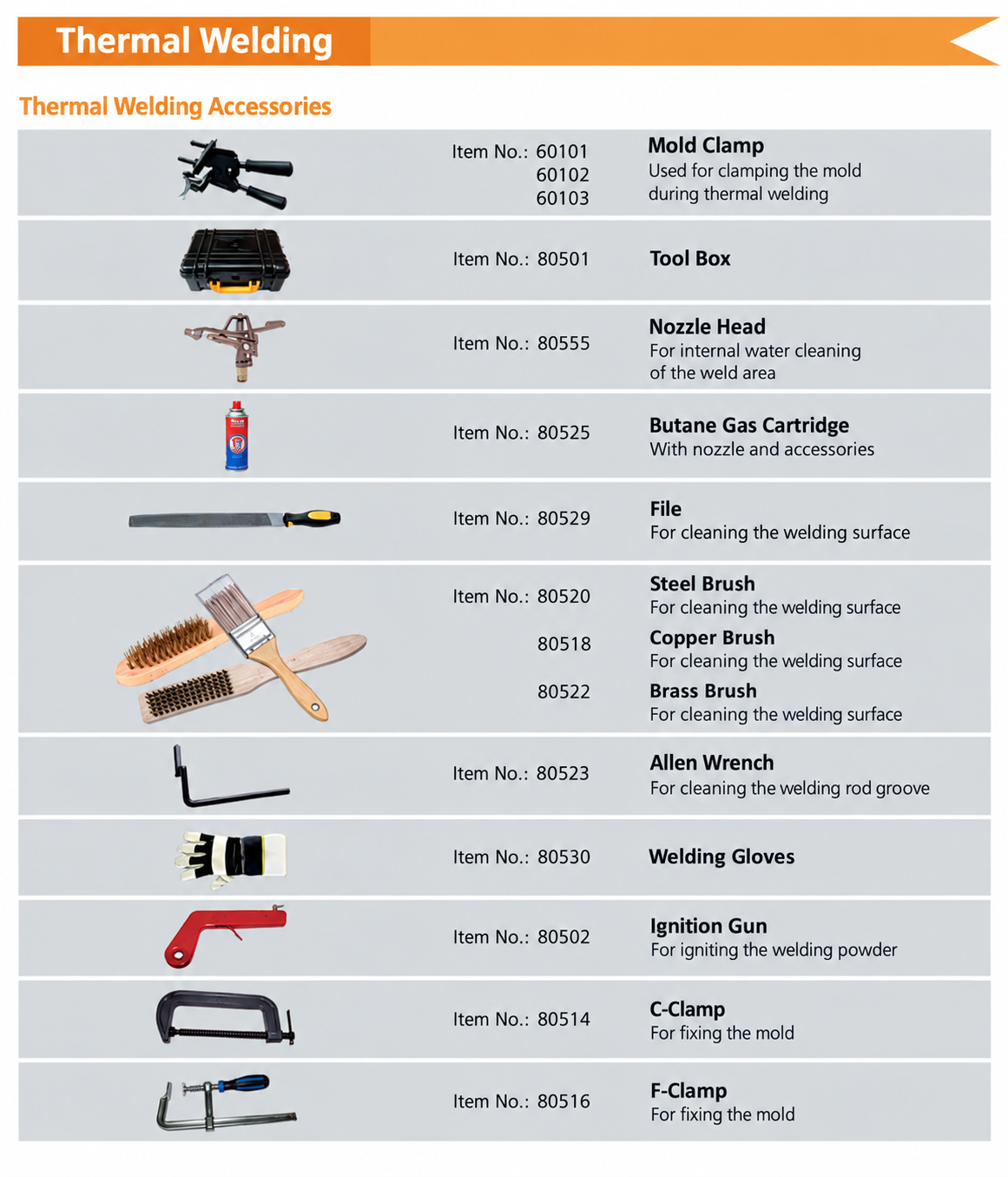
Thermal welding
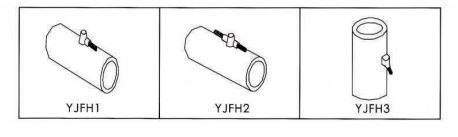
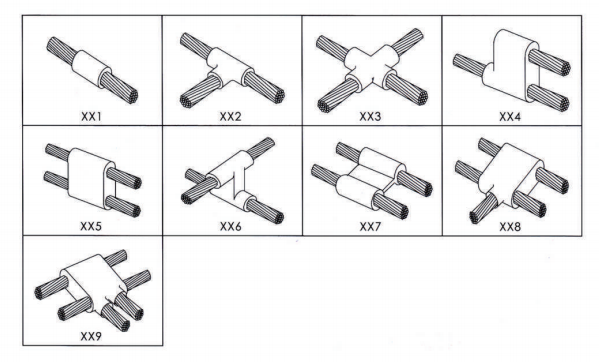
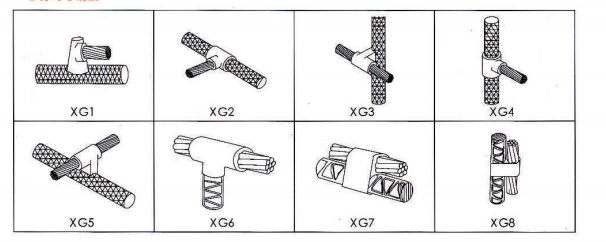
Exothermic fusion welding connection type
1.round wire and round wire
2.Flat wire and flat wire
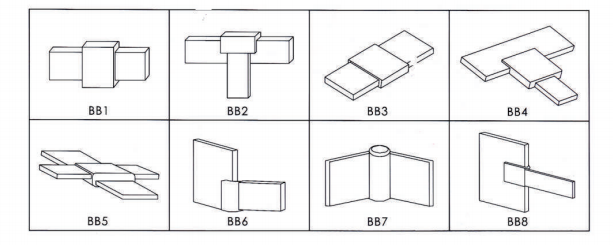
3.round wire and flat wire
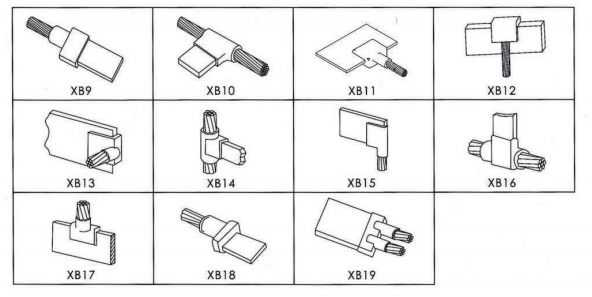
4.round wire and flat wire
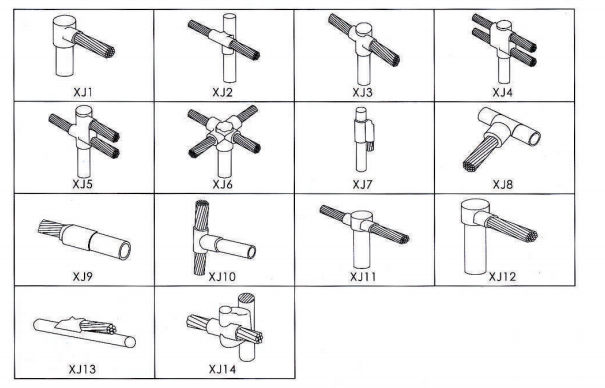
5.Flat conductor and grounding wire
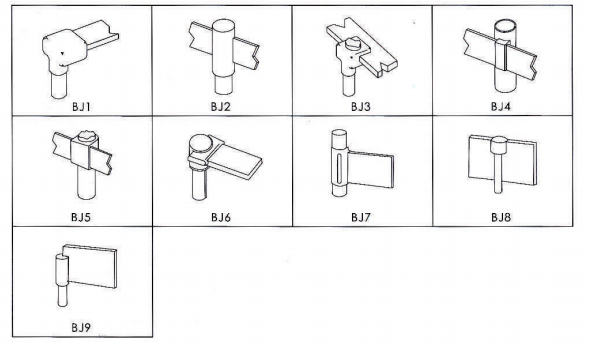
6.Cables and steel plates or iron pipes
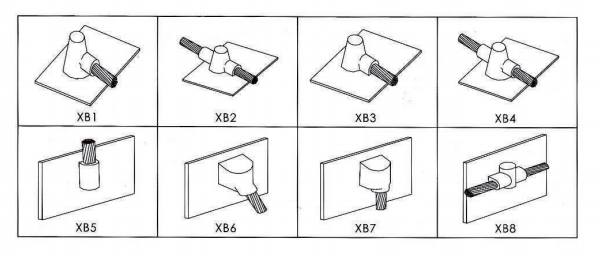
7.Cables and reinforcing bars
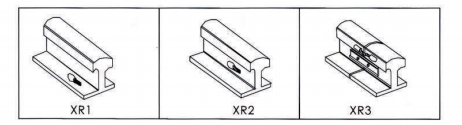
9.Cathodic protection welding