
Tinned copper standard wire
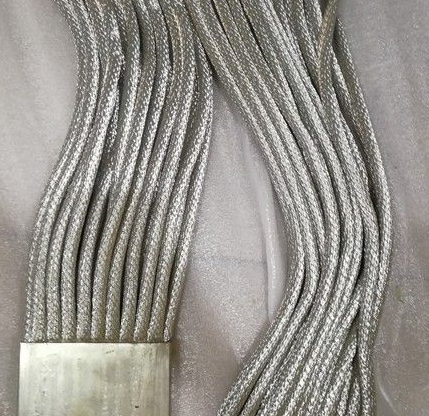
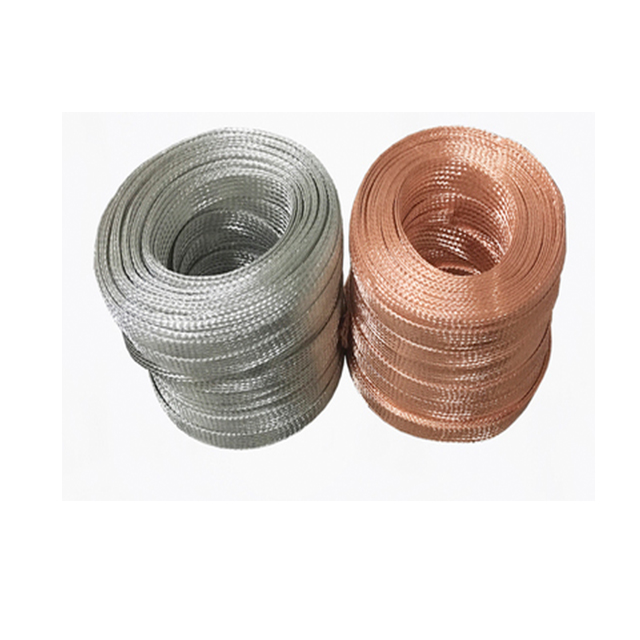
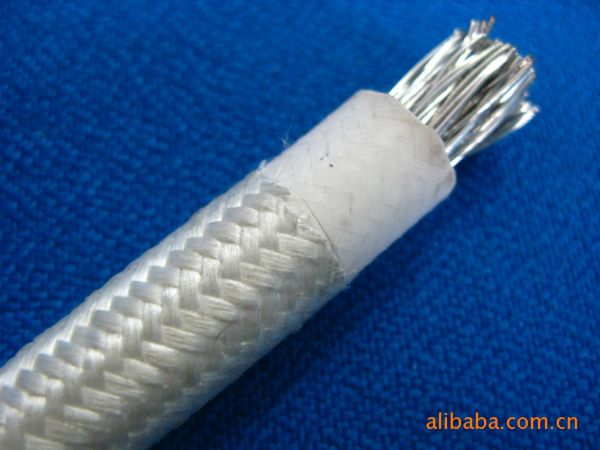
The raw material for this tinned copper stranded wire is international-grade oxygen-free copper wire, and the tin coating utilizes high-purity tin (99.99% tin content) from Yunnan Tin, ensuring superior quality. During manufacturing, the wire undergoes an annealing process, resulting in excellent flexibility and bend resistance; it is stranded using high-speed cage-type twisting machines with back-twist capability, yielding a finished product that is round, straight, and tightly structured, with no loose strands. Meeting international standards, the wire offers corrosion and oxidation resistance, making it suitable for specialized environments; it enjoys the trust and support of customers across various sectors, including power transmission and distribution, electrified railways, grounding projects, and industrial electric furnaces.
Performance:
1. The flexible stranded copper wire is manufactured from high-quality round copper wire or tinned soft copper wire. It undergoes an annealing process, resulting in a finished product that is flexible, neat in appearance, and aesthetically pleasing.
2. The DC resistivity (at 20°C) of the stranded copper wire is no greater than 0.0182 Ω·mm²/m, while the DC resistivity (at 20°C) of the tinned flexible stranded copper wire is no greater than 0.0193 Ω·mm²/m.
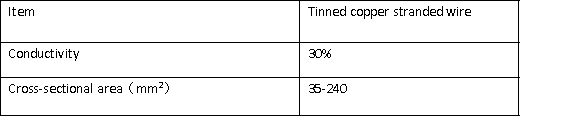
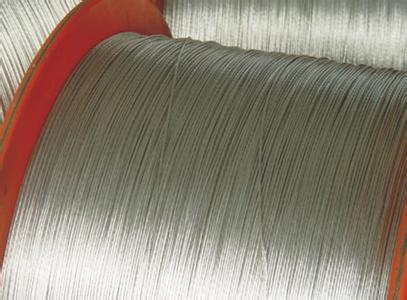
These tinned copper stranded wires are manufactured using an electrolytic tin-plating process. Production involves simultaneous multi-strand drawing with continuous annealing; the stranding process ensures no loose strands or strand displacement, resulting in a uniform, lustrous appearance. Key industrial characteristics include excellent corrosion resistance, heat resistance, and solderability, as well as tight conductor compaction, precise outer diameters, and high electrical conductivity. The wires meet the requirements of both DIN 40500 (German Industrial Standards) and ASTM B33 (American Society for Testing and Materials).
Specifications such as wire diameter, tin coating thickness, and temper (softness/hardness) can be customized to meet specific customer requirements. We guarantee the continuity, adhesion, and thickness uniformity of the tin coating, as well as the wire’s surface luster. The raw copper rods are produced on Southwire’s 350,000-ton SCR-7000 continuous casting and rolling line, while the individual strands are processed using advanced high-speed continuous drawing and annealing technology. Microcomputer control is implemented throughout the entire manufacturing process to ensure stable, reliable strand quality, with performance metrics meeting or exceeding international and EU electrotechnical standards.
Advantages of tinned copper stranded wire:
1. The tinned copper conductor features a protective tin coating, offering corrosion resistance, heat resistance, and excellent solderability. It maintains precise outer dimensions and high conductivity, meeting multiple industry standards.
2. Manufactured using a continuous drawing and annealing process, the multi-strand wire is tightly stranded without loose strands or protruding wires. The product boasts a uniform, lustrous appearance and superior industrial properties, including corrosion resistance, heat resistance, and excellent solderability. The conductor is tightly compacted to ensure precise outer dimensions and high conductivity; the wire’s performance meets the requirements of both DIN 40500 (German Industrial Standard) and ASTM B33 (American Society for Testing and Materials).
Tin-plating copper conductors serves to prevent oxidation, facilitate soldering, and enhance overall system reliability; it is primarily used for signal cables exposed to moisture or requiring soldering, as well as for certain rubber-insulated cables that undergo vulcanization. Standard power and control cables generally do not require tin-plated conductors. However, the drawbacks of tin-plating include increased costs and higher conductor surface resistance, which limits its use in high-frequency cables where the skin effect is significant.
Yangbo’s tinned copper stranded wire ensures the continuity, adhesion, and uniform thickness of the tin coating, as well as the wire’s surface luster; specifications such as wire diameter, coating thickness, and temper (softness/hardness) can be customized to meet client requirements.
As a high-quality copper conductor, tinned copper stranded wire—like standard bare copper stranded wire—comes in both soft and hard varieties; the key distinction is the application of an outer tin layer, which provides corrosion and oxidation resistance.