
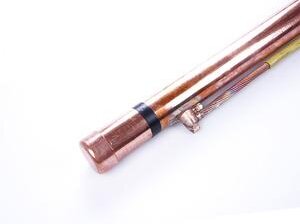
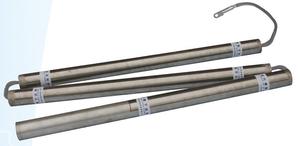
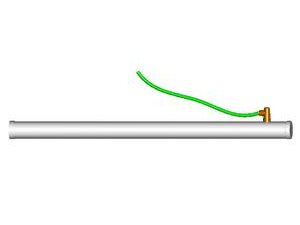
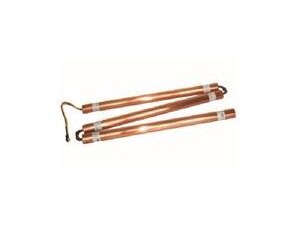
Horizontal electrolytic ion grounding rod
Title: Horizontal Electrolytic Ion Grounding Rod, Single Ion Grounding Electrode, Combined Ion Grounding Electrode
Keywords: Horizontal ion grounding electrode, electrolytic ion grounding electrode, high-efficiency ion grounding electrode, corrosion-resistant ion grounding electrode, corrosion-resistant
electrolytic grounding electrode, electrolytic ion grounding system, electrolytic ion grounding rod, ion grounding rod for substations, grounding resistance reduction products, State Grid substation lightning protection grounding, high-speed rail and subway lightning protection grounding, large-scale chemical plant lightning protection grounding, wind power generation lightning protection grounding, photovoltaic power generation lightning protection grounding, communication tower lightning protection grounding, transportation hub lightning protection grounding, petrochemical anti-static grounding, computer room anti-static grounding, highway lightning protection grounding, military base lightning protection grounding, bank lightning protection grounding
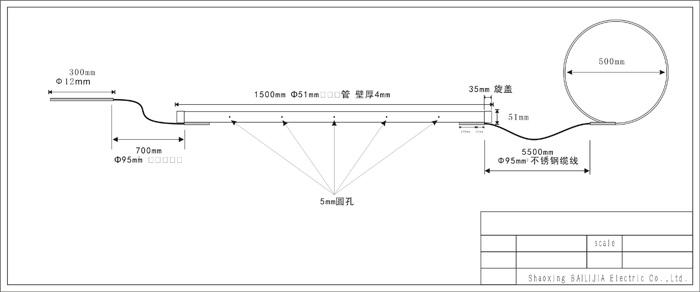
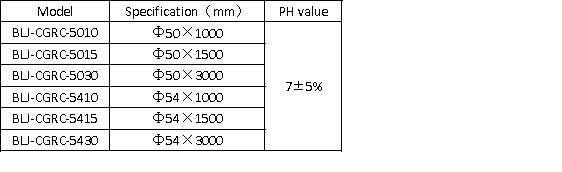
Temperature Range: -40℃~80℃
Product Certification: ISO9001:2000
Protection Rating: IP64
Explosion-proof Function: None
Application: Lightning protection grounding
Usage Environment: Any environment
Horizontal ion grounding rods are a new type of grounding solution that improves the contact environment between the electrode and the surrounding soil by utilizing the ion release effect of the internal and external filling materials of the electrode, thereby achieving the purpose of reducing resistance.
Electrolytic ion grounding rods can create a continuous low-resistance grounding environment in areas with high soil resistivity. Even in areas where resistivity fluctuates due to seasonal factors, electrolytic ion grounding rods can ensure stable and reliable low-resistance grounding.
Significant resistance reduction effect:
It can provide a continuous low-resistance grounding in high-resistance soil environments. The backfilled resistance-reducing agent can continuously absorb moisture from the soil and continuously reduce the resistance value of the surrounding soil to maintain a long-term low-resistance effect.
Stable Resistance Reduction:
The grounding resistance of the electrolytic ion grounding system stabilizes within one week of installation, showing minimal impact from temperature and humidity. The resistance reduction effect can last up to 30 years.
Low Maintenance Costs:
The resistance-reducing agent filled inside and outside the electrolytic ion grounding rod continuously releases ions, requiring no special maintenance after installation.
Superior Corrosion Resistance and Conductivity:
Due to the skin effect of current in the conductor and the unique corrosion-resistant properties of copper, the conductivity and corrosion resistance are superior to other grounding products.
Smoother Appearance:
Experienced craftsmen use skilled machine tools to create a perfectly burr-free rod body, followed by advanced copper plating technology, resulting in a flawless copper-plated surface.
Easy Installation:
Installation is simple and can be done manually or mechanically, making installation more economical.
Long Service Life:
The maximum thickness of the single-sided copper layer can reach 0.5mm; the theoretical service life of the grounding rod is over 30 years (the service life of the electrolytic ion grounding system will vary depending on the actual soil environment). High-quality accessory products:
Product accessories are made with high-quality materials.
Electrolytic ion grounding rods are suitable for general natural conditions as well as special environments such as humid, saline-alkali, acidic soils, and environments with corrosive chemical media. They are widely used in power plants, substations, transmission line towers, communication base stations, airports, railways, subway stations, various high-rise buildings, microwave relay stations, network computer rooms, petrochemical plants, oil depots, and other places for lightning protection grounding, anti-static grounding, protective grounding, and functional grounding.